Hotel Pool Cabana Sizing Guide for Projects
A pool deck can carry premium nightly rates or quietly erode them. That is why a hotel pool cabana sizing guide matters early in planning, not after the furniture schedule is locked. Get the footprint wrong, and the result is familiar – tight circulation, underperforming VIP zones, awkward service paths, and cabanas that photograph better than they function.
For hospitality projects, cabana sizing is not a styling decision alone. It is a space-planning decision tied to guest capacity, operations, shade coverage, furniture fit, maintenance access, and revenue strategy. A cabana that looks generous on a rendering can feel cramped once loungers, side tables, drapery stacks, and service trays enter the picture.
Hotel pool cabana sizing guide: start with use, not dimensions
The fastest way to oversize or undersize a cabana is to begin with a standard dimension and force the program to fit inside it. Commercial projects work better when the intended use sets the size. A two-guest daybed cabana, a family cabana, and a bottle-service cabana should not share the same footprint just because the roof module is convenient to fabricate.
Start by defining who will use the cabana and how long they will stay. In a resort setting, a cabana often functions as a bookable micro-environment with privacy, lounging, food and beverage service, and storage for personal items. In an urban hotel, turnover may be faster, with guests using cabanas as shaded seating between short pool sessions. Those patterns change how much seated area, clear floor area, and side access you need.
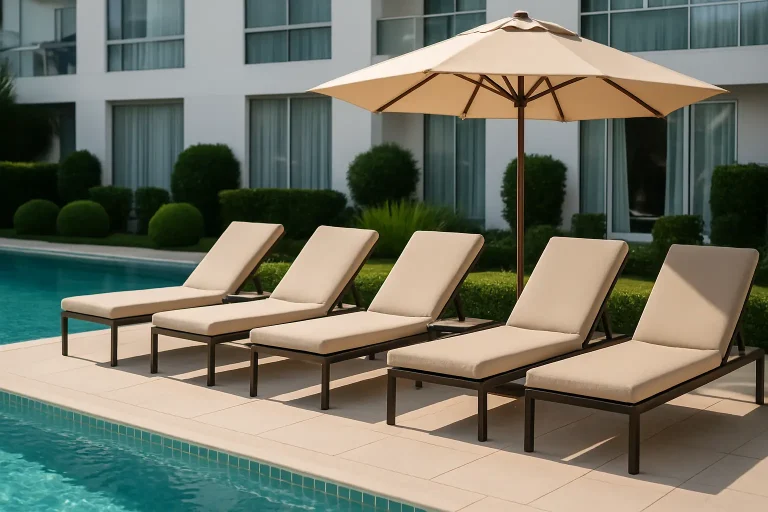
A practical baseline is to think in occupancy bands. A compact cabana for two guests needs enough room for either one daybed or two chaise lounges, plus side tables and a clean service edge. A four-person cabana usually needs a deeper plan so guests can move without stepping over furniture. Once a cabana is expected to support dining, stroller parking, or family use, the footprint grows quickly.
Core sizing ranges that work on commercial pool decks
Most hospitality cabanas land in a workable range between 8 by 8 feet and 12 by 14 feet, but that range only helps if you understand what each size buys you operationally.
An 8 by 8 foot cabana is compact and efficient. It can work for a pair of loungers or a small built-in bench setup in high-density decks where private shade is the selling point. The trade-off is limited flexibility. There is little tolerance for oversized cushions, drapery tie-backs, ice buckets, or ADA-sensitive turning space. This size is best when the property needs more keys at the pool and service is light.
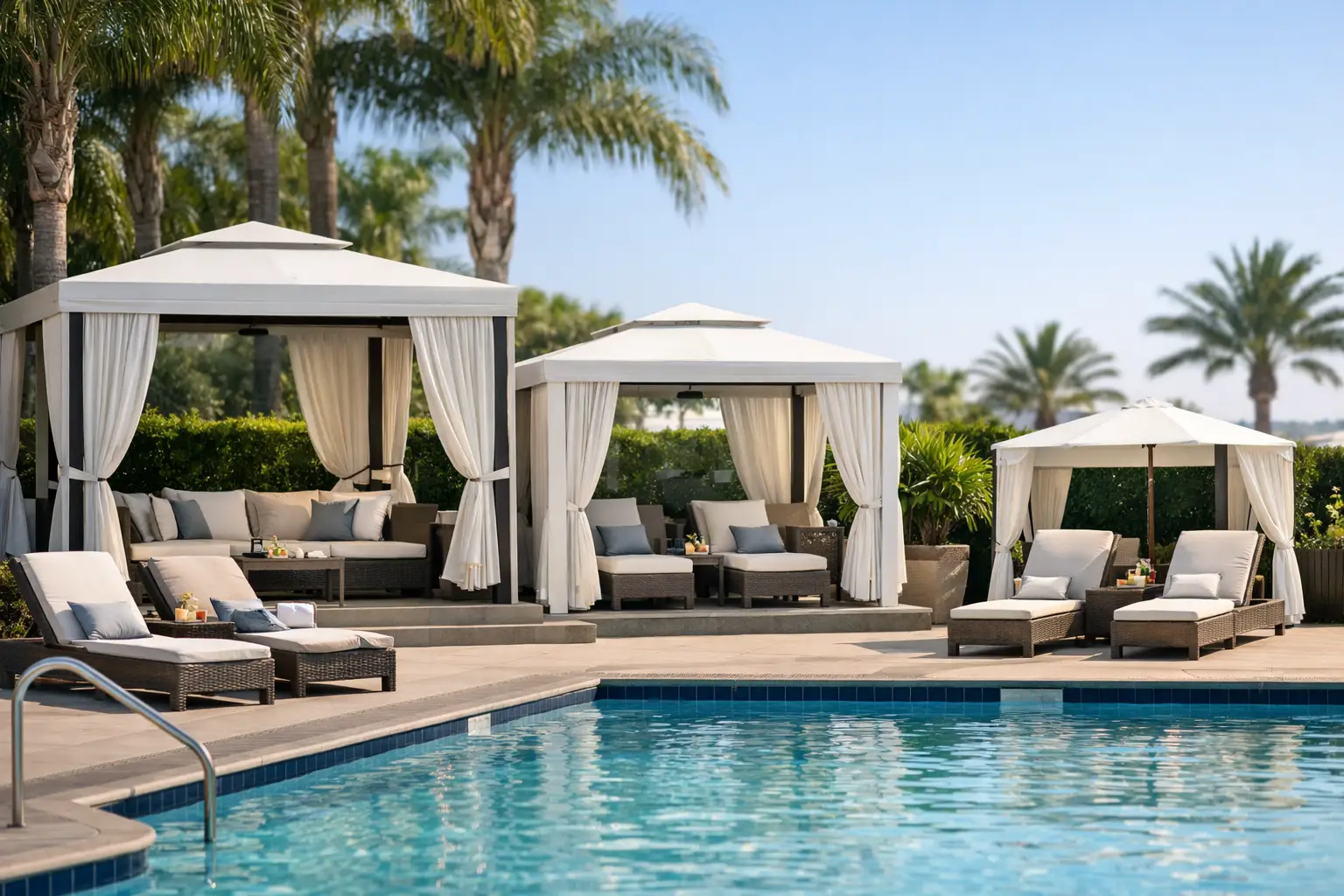
A 10 by 10 foot cabana is often the commercial middle ground. It gives enough space for a daybed or two loungers, small tables, and cleaner guest circulation. For many hotels, this is where aesthetics, rentable value, and installation efficiency start to align. It is also easier to repeat across multiple sites because furniture options remain broad.
A 12 by 12 foot cabana supports a more premium program. It can accommodate larger lounge pieces, deeper side clearances, and stronger zoning between resting space and service space. This is typically where properties move from simple shade unit to real hospitality amenity.
A 12 by 14 foot or larger cabana makes sense when the property expects group use, family occupancy, dining service, or a high-spend VIP experience. At that size, the cabana begins to function like a semi-private outdoor room. The trade-off is obvious – fewer total units, more structural cost, and greater pressure on pool deck circulation.
Clearance matters more than operators expect
The roof footprint is only part of the equation. What usually breaks a pool cabana layout is not the inside dimension but the space around it.
You need room for front approach, side servicing, curtain movement, furniture pull-out, housekeeping access, and visual separation from adjacent guests. If a lounger back reclines into the circulation path, the cabana is undersized in practical terms, even if it meets the drawing.
As a rule, keep front circulation generous enough for two-way guest movement and service traffic. Tight decks can survive with less, but premium hospitality environments should not feel like a back-of-house corridor. Side clearances also matter if staff need to reset the cabana, collect trays, or access integrated lighting and electrical points.
This is where procurement and design teams benefit from mock-up thinking. On paper, a repeated cabana module may look efficient. On site, drapes, planters, side tables, and towel baskets all claim inches. Small dimensional misses multiply fast across ten or twenty units.
Interior furniture fit should drive your final footprint
A cabana is only as functional as the furniture package it can hold comfortably. Contract-grade lounge furniture often has larger dimensions than residential buyers expect, especially when you account for performance cushions, teak arms, or wide woven frames.
Before approving the cabana size, lock the intended furniture plan. If the spec includes a double chaise, side tables, a storage bench, and loose stools, test those actual dimensions rather than generic blocks. This is especially important for teams sourcing at scale, where consistency across properties matters.
The strongest layouts create usable zones rather than simply filling the structure. Guests need a place to recline, set drinks, step in and out, and store belongings without the cabana feeling congested. That usually means leaving more open floor area than the render first suggests.
Shade performance changes the sizing decision
Not every cabana needs the same depth or roof area because sun angles vary by region, season, and deck orientation. In hot-weather hospitality markets, shallow cabanas can produce disappointing shade coverage during peak afternoon hours, especially if the opening faces west.
That means the hotel pool cabana sizing guide should account for actual shade performance, not just furniture containment. A visually light frame may fit the design language, but if guests chase shade inside it all day, the amenity underdelivers.
Deeper roofs, adjustable drapery, side panels, and slatted or solid overhead options can offset orientation issues. There is a trade-off between openness and protection. More enclosure improves comfort and privacy, but it can also reduce air movement and make the structure feel heavier on dense decks. The right answer depends on climate, wind, and the guest experience the property wants to sell.
Privacy, revenue, and density pull in different directions
Operators often want more cabanas because more inventory suggests more revenue. Designers often want larger cabanas because the guest experience improves with space and privacy. Both positions are valid, and neither should win by default.
If cabanas are a core revenue product, larger footprints can justify higher booking rates, better service experiences, and stronger social content. If they are a supporting amenity, a smaller repeated module may produce a better return by increasing total count. The right mix depends on occupancy goals, average spend, and how the pool deck functions on peak days.
A useful approach is tiered cabana sizing. Standard units can handle general guest demand, while a smaller number of oversized premium units create pricing upside. This avoids turning the entire pool deck into one format while still giving the operator a differentiated offer.
Accessibility should be planned early, not patched later
Accessibility requirements can reshape cabana dimensions quickly. If a property intends certain units to be accessible, those cabanas need proper approach, maneuvering space, and furniture configurations that do not create barriers.
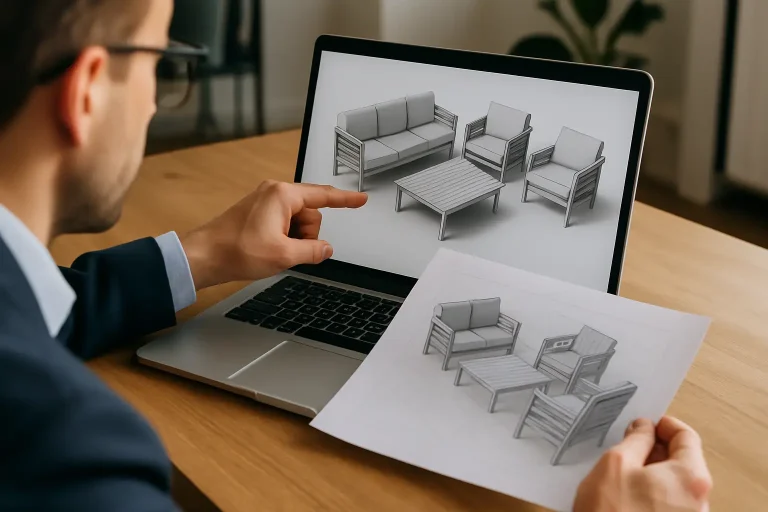
This is one reason prototype development matters. It is far easier to adapt a module before production than after procurement documents are approved. For hospitality groups rolling out repeated formats, accessible cabana standards should sit inside the base planning package, not as a late exception.
Material and structure affect usable space
Not all 10 by 10 cabanas deliver the same usable interior. Post thickness, integrated planters, valances, drapery pockets, and platform bases can shrink the effective area. Buyers comparing quotations should review usable internal dimensions, not only overall external size.
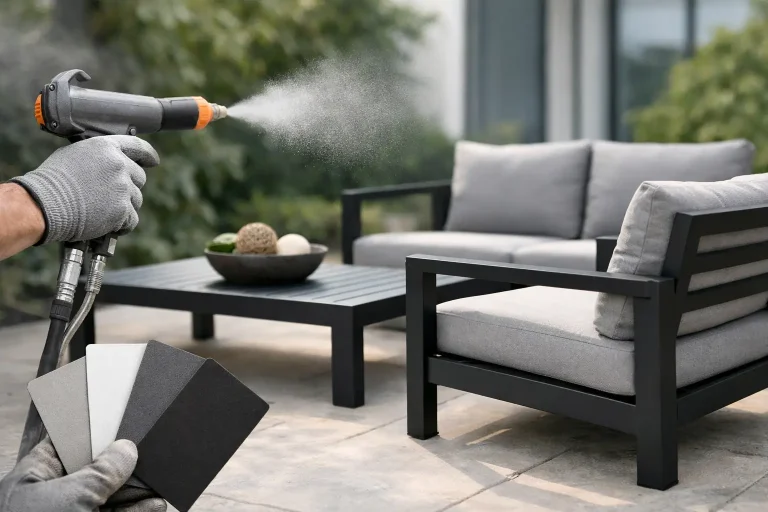
Structural choices also affect how the cabana performs over time. Contract hospitality environments need frames, finishes, and hardware that withstand UV, humidity, chemical exposure, and frequent cleaning. A lighter structure may reduce cost, but if it limits drapery options or requires more maintenance, the long-term value changes.
This is where a vertically integrated supply partner can reduce risk. When the same team supports design development, material selection, mock-up approvals, and production control, sizing decisions are less likely to drift between concept and installation. For larger hospitality programs, that coordination matters as much as the dimension itself.
How project teams should finalize cabana size
The cleanest approval process is simple. First, define the guest use case and target occupancy. Then place the actual furniture package inside the cabana, not a placeholder version. After that, test circulation around the unit with service movement, drapery operation, and adjacent deck furniture included. Finally, review shade behavior by orientation and operating season before the module is released for production.
For developers, designers, and procurement teams, cabana sizing is one of those decisions that feels minor until it affects every part of the pool experience. A well-sized unit supports comfort, operations, and revenue at the same time. A poorly sized one creates friction that no cushion upgrade will fix.
When the layout is doing its job, guests do not notice the math behind it. They notice that the cabana feels private, comfortable, and worth reserving again.