In House Design vs Outsource Sourcing
A project goes sideways faster than most teams expect when design intent and sourcing execution live in separate lanes. That is the real issue behind in house design vs outsource sourcing. For procurement teams, architects, and hospitality operators, this is not a theoretical brand choice. It affects lead times, approvals, finish consistency, budget control, and whether the final outdoor environment performs the way it was specified.
In outdoor furniture procurement, the gap between concept and delivery can be expensive. A lounge collection may look right in a presentation, then fail on dimensions, material suitability, stackability, or delivery timing once sourcing starts. When that happens across villas, hotel pool decks, rooftop dining areas, or multi-site developments, the cost is not just financial. It hits opening dates, client confidence, and operational flow.
In house design vs outsource sourcing: what changes in practice
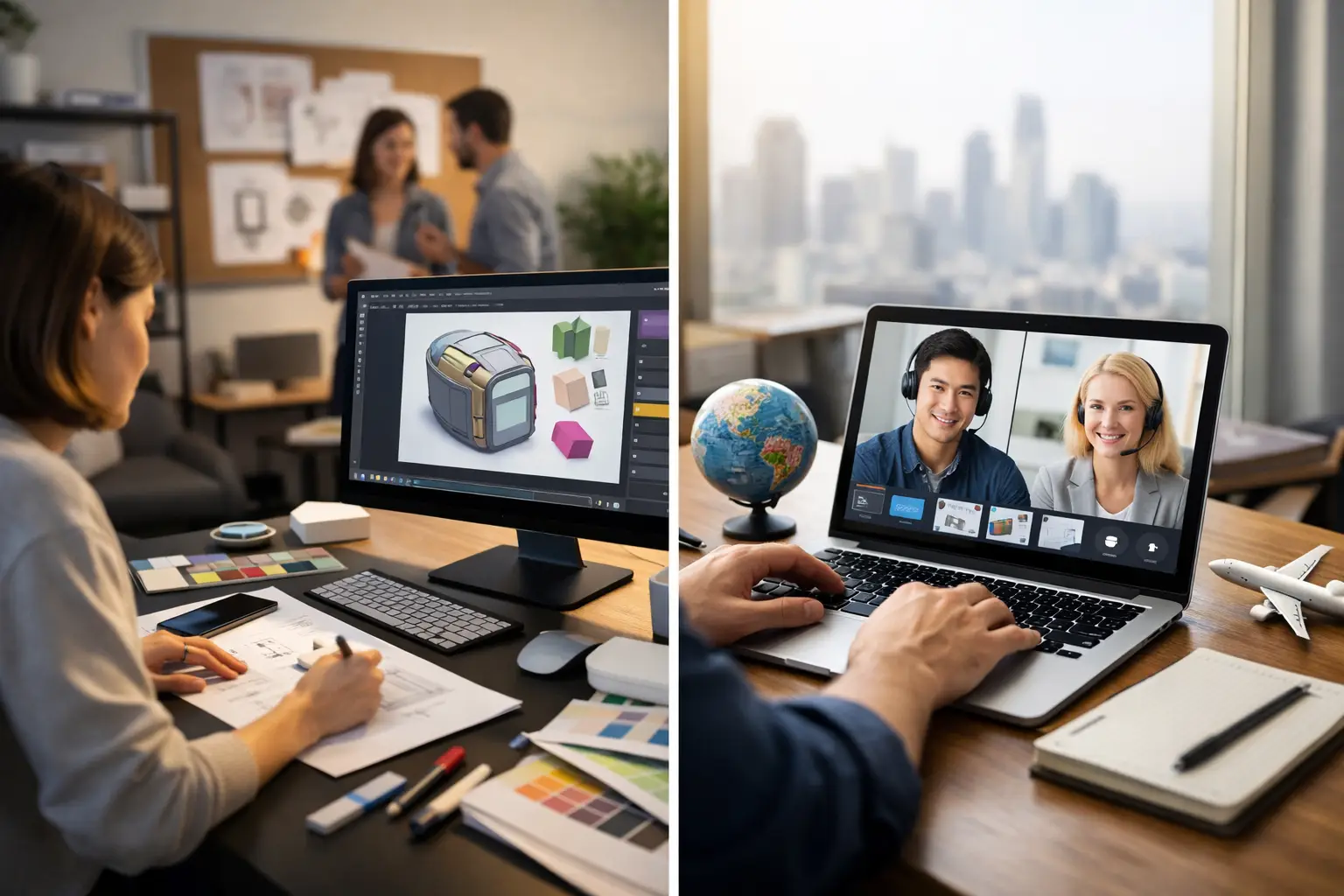
At a high level, in-house design means the same organization shaping the product direction is also managing technical development, approvals, and often manufacturing coordination. Outsource sourcing usually means design is handled by one party, while vendor identification, price negotiation, production management, and logistics are handled by another.
Neither model is automatically better in every case. The right choice depends on project size, customization level, timeline pressure, and how much control your team needs over specifications. But for contract-grade outdoor projects, the differences become very clear once you move from mood boards into shop drawings, mock-ups, and container schedules.
With in-house design, decisions tend to move faster because the design team is closer to the factory floor, material library, and engineering realities. If a hospitality client wants a dining chair adjusted for seat height, a powder-coated finish matched to a brand palette, or cushions upgraded for a harsh coastal environment, those changes can be evaluated quickly against production capability.
With outsource sourcing, the range of supplier options may be wider, and that can be useful for buyers chasing aggressive price targets or highly varied categories. But every additional handoff introduces room for interpretation errors. A spec can be understood differently by the sourcing agent, the factory, and the installation team, especially when products come from multiple vendors with different standards.
Where in-house design creates operational advantages
For commercial outdoor environments, control is not an abstract benefit. It shows up in measurable ways.
The first is specification accuracy. When a supplier has an in-house design studio, 3D drawings, material reviews, and mock-up approvals can be built into the workflow rather than treated as extra steps. That matters when designers need to see how lounge seating scales on a terrace, how dining layouts affect circulation, or whether poolside furniture meets both aesthetic and operational requirements.
The second is faster revision cycles. Outdoor projects rarely move from first concept to final order without changes. Developers revise unit counts. Operators adjust layouts. Designers update finishes after client review. When design and sourcing are integrated, those changes can be absorbed with less lag because the same team is evaluating feasibility, lead time impact, and production sequencing.
The third is quality consistency across categories. This is especially relevant for buyers furnishing complete environments rather than buying a few standalone pieces. Lounge, dining, shade, and accessories need to feel coordinated, but they also need to meet the performance demands of the site. In-house teams can align frame finishes, fabric selections, tabletop materials, and packaging standards across the full order.
That level of control becomes even more valuable in bulk purchasing. On a large hospitality or residential development, consistency across SKUs matters just as much as the appeal of any one item. If one vendor interprets teak tones differently from another, or one factory uses a lower-grade foam than expected, the space starts to fragment.
When outsource sourcing makes sense
There are cases where outsource sourcing is the practical move.
If the project is highly price-driven, standardized, and low in customization, a sourcing-led model can open access to multiple factories and broader quote comparisons. This may work well for straightforward replenishment orders or buyers who already have strong internal design control and simply need a procurement partner to execute.
It can also help when a buyer wants to test unfamiliar categories without committing to a long-term supplier relationship. A procurement team might source umbrellas from one vendor, dining chairs from another, and accessories from a third if the scope is limited and timeline flexibility exists.
The trade-off is coordination load. Someone still needs to own finish matching, compliance checks, packaging requirements, shipping schedules, and after-sales accountability. If that responsibility lands back on the client team, the apparent savings from outsourced sourcing can narrow quickly.
This is where many buyers underestimate internal cost. A lower unit price does not always produce a lower landed cost once rework, delays, sample approvals, split shipments, and installation issues are factored in.
Cost is more than the quote
The most common mistake in evaluating in house design vs outsource sourcing is treating cost as a simple purchase comparison. For contract furniture, total cost sits across design development, sample rounds, production oversight, freight planning, installation readiness, and replacement risk.
An in-house model may come in with stronger pricing discipline over the full project because fewer intermediaries are taking margin and fewer errors need correction later. It also tends to reduce approval friction. When design, engineering, and production planning sit closer together, teams can flag issues before they become expensive.
Outsource sourcing can produce attractive initial quotes, but those quotes do not always reflect the full cost of managing several factories, inconsistent lead times, and varied quality systems. The more complex the environment, the more that matters. A resort terrace, for example, does not just need attractive furniture. It needs weather-appropriate materials, coordinated lead times, and installation sequencing that supports opening readiness.
Speed, accountability, and delivery confidence
In large projects, speed is really about decision velocity. Can the supplier revise drawings quickly? Can they move from sample approval to production without losing the spec? Can they consolidate categories and ship on schedule?
This is where vertically integrated suppliers tend to outperform fragmented sourcing models. They can align design consultation, mock-up review, production planning, and delivery management under one operating structure. That reduces the lag between what was approved and what gets manufactured.
Accountability also becomes clearer. When issues arise, and on real projects they sometimes do, the buyer is not chasing multiple parties for answers. One partner owns the chain from design interpretation through delivery execution.
For procurement leaders, that matters as much as lead time. Clear ownership lowers project risk.
How to choose the right model for your project
If your project involves custom dimensions, branded finishes, multiple outdoor categories, or high visibility hospitality use, in-house design is usually the stronger model. It offers tighter control over both appearance and performance, and it reduces the chance that sourcing decisions will drift away from the original intent.
If your scope is narrow, the product is standardized, and your internal team can manage supplier coordination without strain, outsource sourcing may be sufficient. The key is being honest about your team’s capacity. Many organizations can manage one or two vendors effectively. Far fewer can manage a broad outdoor package across dining, lounge, pool, and accessory lines while keeping timing and quality aligned.
A useful test is to ask where failure would hurt most. If the biggest risk is unit price, outsourced sourcing may be worth considering. If the biggest risk is delay, inconsistency, or specification drift, an in-house design and manufacturing-led partner is generally the safer decision.
For buyers managing complex outdoor environments, that difference is not small. It shapes how reliably the project moves from concept board to installed space. Suppliers with integrated design support, production depth, and delivery control – including teams like PNZ Space Global – are built for that level of execution.
The smartest procurement decisions are rarely about buying the cheapest product. They are about building a supply path that protects the project when revisions, deadlines, and scale put pressure on every detail.