Contract Furniture Procurement Guide
A missed finish approval does not stay a finish issue for long. It turns into a delayed opening, a site coordination problem, and a budget conversation nobody wants. That is why a contract furniture procurement guide matters most when projects move fast, involve multiple decision-makers, and need outdoor products that perform as well as they present.
For developers, designers, hospitality operators, and procurement teams, furniture buying is rarely just about selecting a chair or table. It is about specification control, lead-time discipline, installation sequencing, and reducing risk across an entire project. In outdoor environments especially, procurement has to balance design intent with weather exposure, maintenance requirements, freight planning, and the realities of high-use commercial settings.
What a contract furniture procurement guide should solve
A useful contract furniture procurement guide should help buyers answer four practical questions early. First, what needs to be furnished, and to what standard? Second, which products can be standardized, and which should be customized? Third, what approvals are required before production starts? Fourth, can the supplier actually deliver at the scale and timeline the project demands?
Those questions sound basic, but they are where procurement performance is won or lost. A rooftop lounge, pool deck, restaurant terrace, and villa development may all need outdoor furniture, yet each has a different usage profile, different stakeholder expectations, and a different tolerance for maintenance and replacement cycles.
A hospitality operator may prioritize stackability, easy cleaning, and fast replenishment. A developer may care more about visual consistency across multiple units and public areas. An architect may be focused on dimensions, finish accuracy, and how each collection fits the design language. Procurement works best when those priorities are aligned before quoting begins.
Start with scope, not products
Many procurement delays happen because teams begin with item selection before the scope is fully structured. A better approach is to organize the project by use zone. Lounge, dining, poolside, shade, and accessories are not just catalog categories. They are procurement categories with different performance demands, packaging needs, and installation sequences.
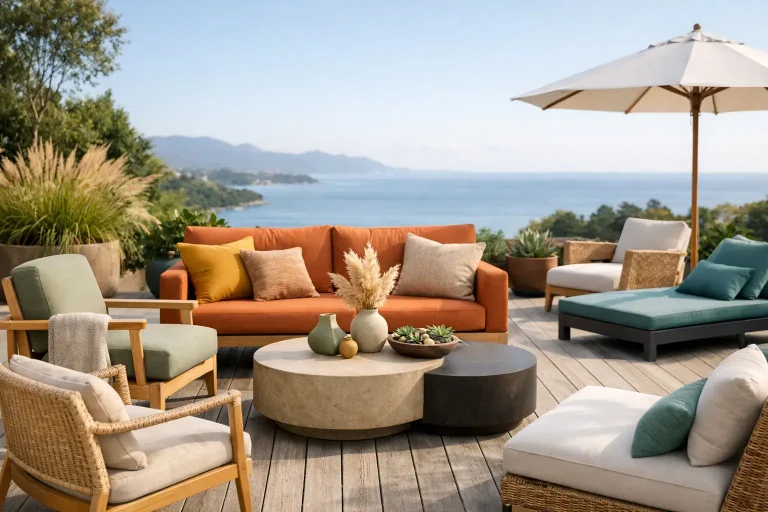
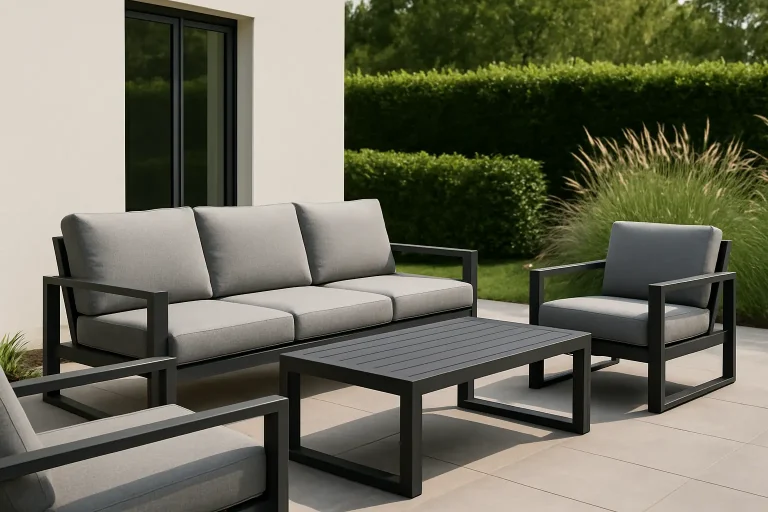
For example, pool furniture often requires stronger resistance to moisture, chemicals, and frequent repositioning. Dining furniture must balance aesthetics with cleaning efficiency and density planning. Lounge seating may allow more customization in cushions and finishes, but that can also add approval layers if not managed carefully.
When the scope is grouped this way, it becomes easier to quantify counts, identify repeated SKUs, and decide where custom development adds value versus where standard products keep the project moving. This is also where buyers can reduce unnecessary complexity. A broad assortment is useful, but too many one-off specifications can create avoidable production and logistics strain.
Standardize where it helps, customize where it matters
Not every project benefits from maximum customization. In fact, over-customizing early can create long approval chains, fragmented purchasing, and inconsistent delivery windows. The better question is where customization actually improves the result.
In many outdoor projects, material and finish flexibility matters most in visible, brand-defining areas such as a hotel terrace, signature pool deck, or premium villa setting. In secondary or repeat-use areas, standard contract-grade options often deliver better procurement efficiency without compromising the overall design.
That trade-off matters. Custom cushions, special powder-coat colors, or altered dimensions can strengthen a concept, but each adjustment should be weighed against production timing, minimum order quantities, and replacement planning later on. Good procurement is not about saying yes to every option. It is about controlling variation with purpose.
Vet suppliers for operational control
The most common supplier mistake in contract buying is judging capability by product images alone. A strong catalog is useful, but procurement teams need to know how the supplier controls manufacturing, quality, communication, and delivery.
Operational control becomes especially important for outdoor furniture because materials, finishes, and packaging all affect field performance. Buyers should look closely at factory capacity, production oversight, mock-up processes, and the supplier’s ability to manage high-volume orders across multiple categories. If a vendor relies heavily on fragmented outsourcing, timeline certainty may weaken as project complexity increases.
A vertically integrated supplier usually has a stronger position here. It can coordinate design adjustments, production scheduling, quality checks, and shipment planning with fewer handoff points. That does not guarantee perfection, but it does improve visibility and accountability. For GCC and international buyers working on time-sensitive commercial programs, that difference is material.
This is also where support services matter. 3D drawings, shop-level review, sample and swatch approvals, and mock-up validation are not extra conveniences. They are procurement tools that reduce error before the order reaches full production. When those services sit close to the factory and product teams, decisions move faster and corrections are easier to make.
The approval stage is where projects stay on track
Approvals are often treated as an administrative step. They are not. They are the moment procurement either secures alignment or carries confusion into production.
At minimum, buyers should lock dimensions, materials, finish codes, fabric selections, quantity breakdowns, and packaging expectations before sign-off. If the project includes custom items, mock-up approval is worth the time. It is far less expensive to correct proportion, comfort, or finish issues on a sample than in a full production batch.
A clear approval workflow also prevents scope drift. That matters when several stakeholders are involved, which is common in hospitality and large residential developments. Designers may approve aesthetics, operators may review functionality, and procurement may own commercials and lead times. Without one documented approval path, even simple items can stall.
Lead times are not just about factory time
Buyers often ask for production lead times when they should be asking for total project lead time. Those are not the same thing. Total lead time includes design development, samples, approvals, production, consolidation, freight, customs coordination, final-mile delivery, and installation readiness.
This is where experienced contract suppliers stand apart. They do not quote factory timing in isolation. They help map the full procurement sequence against site milestones. That is critical for outdoor projects because these items are frequently installed near the end of construction, when site access is tighter and schedule slippage elsewhere is already putting pressure on delivery windows.
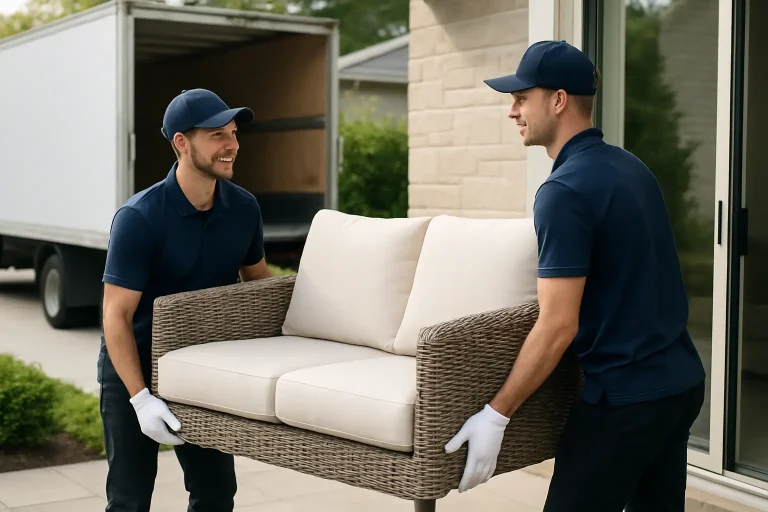
White-glove delivery can also make a meaningful difference. For commercial and hospitality projects, receiving, staging, placement, and issue resolution on site are part of procurement performance, not separate from it. A product delivered on time but mishandled at the final step is still a procurement failure.
Build the specification around lifecycle value
Lowest unit cost rarely equals best procurement value. Outdoor contract furniture has to hold up under UV exposure, moisture, movement, cleaning chemicals, and heavy guest use. If the specification does not match the environment, replacement and maintenance costs will quietly erase any early savings.
That is why materials should be discussed in plain performance terms. Which frames are best for coastal exposure? Which surfaces clean fastest in food and beverage settings? Which cushion constructions are practical for high-turn hospitality use? Which collections support spare-part continuity or repeat ordering later?
There is no universal answer because project conditions differ. A luxury residential terrace can accept more finish sensitivity than a resort pool deck with daily operational wear. A restaurant may prioritize turnaround and wipe-clean practicality over deep upholstery comfort. Procurement teams that evaluate furniture over its working life, not just its purchase price, tend to make stronger long-term decisions.
One-source procurement reduces friction
There is a reason many commercial buyers prefer a one-stop supplier for outdoor categories. Sourcing lounge seating from one vendor, dining from another, shade from a third, and accessories elsewhere can look competitive on paper, but it often creates mismatch in lead times, finish consistency, warranty handling, and site coordination.
A single supply partner with breadth across lounge, dining, pool, and accessories can simplify the process significantly. It improves visual cohesion, makes quantity planning easier, and reduces communication loops. If that supplier also supports design consultation, material selection, and mock-up approval, procurement moves with fewer resets.
PNZ Space Global is built around that model, combining broad outdoor product coverage with in-house design support, large-scale manufacturing, and project fulfillment capabilities suited to complex commercial and hospitality programs.
The strongest procurement decisions happen before the purchase order
Good buyers know furniture procurement is not a back-end task. It is part design control, part operations planning, and part risk management. The earlier the supplier is brought into conversations about zoning, specifications, approvals, and logistics, the more predictable the project becomes.
That does not mean every project needs a custom program or a deeply technical process. Some need speed and standardization. Others need flexibility and close coordination. The key is knowing which kind of project you are running and selecting a supplier that can match it without adding friction.
If your outdoor furnishing program has to meet a launch date, satisfy a design brief, and perform in real operating conditions, procurement should be treated like a project discipline, not a purchase step. That shift alone can save more time than any last-minute expediting ever will.