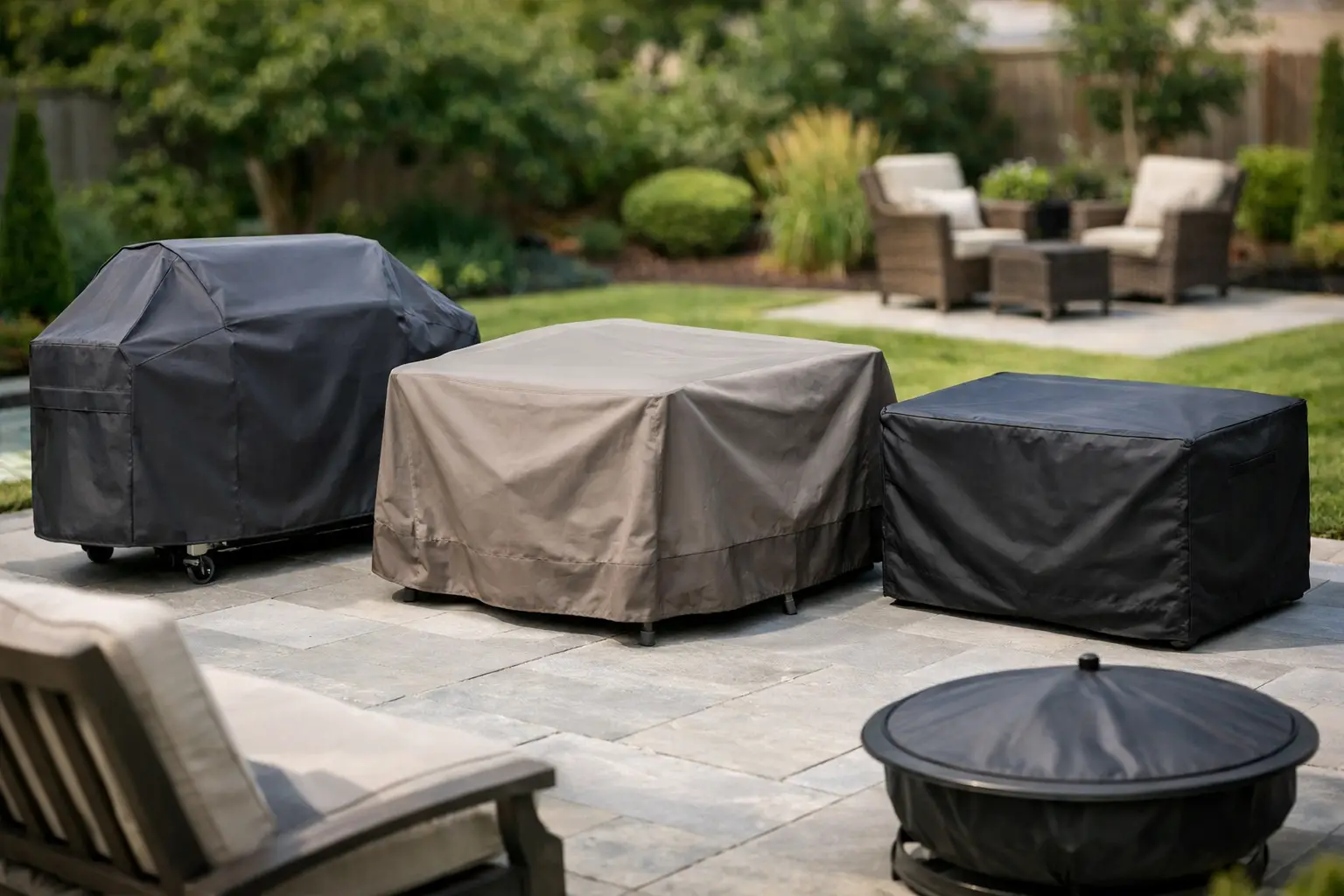
Outdoor Protective Covers Review
A cover that tears at the seam after one season is not a savings. For designers, procurement teams, and hospitality operators, an outdoor protective covers review is really a performance check on risk: water damage, finish fading, mold growth, labor waste, and early replacement across an entire site.
For residential buyers, a mediocre cover is an inconvenience. For a hotel terrace, rooftop lounge, restaurant patio, or multi-villa development, it becomes a maintenance issue that spreads fast. That is why covers should be evaluated the same way you evaluate outdoor furniture – by material specification, fit, ventilation, fastening, and replacement cycle, not by price alone.
What an outdoor protective covers review should actually measure
Most cover roundups focus too heavily on first impressions. The real test starts after wind, dust, standing water, and repeated removal by staff. A strong outdoor protective covers review should look at whether the cover protects the furniture finish without creating new problems, especially trapped moisture and abrasion.
Material quality comes first. Polyester is common, but not all polyester performs the same way. Denier, coating quality, UV stability, and seam construction all affect service life. A lightweight cover may be easy to handle, but in exposed installations it often fails early from corner stress, wind lift, or constant sun exposure. Heavier material generally lasts longer, though it also adds bulk and can slow down daily operations if staff are covering and uncovering furniture every morning.
Fit is the next filter. A cover that is too tight can strain at corners and arm profiles. Too loose, and it collects water, flaps in the wind, and rubs against frames and finishes. On modular seating, oversized generic covers often leave exposed gaps or create sagging pockets where water sits. That is manageable on a private balcony. It is far less acceptable on a furnished hospitality deck where consistency and appearance matter.
Ventilation is often underestimated. Waterproofing without airflow can trap humidity under the cover, especially in coastal or poolside settings. That can lead to mildew on cushions, corrosion on metal components, and surface staining on wood or rope details. Breathability is not a premium add-on. In many climates, it is essential.
Material performance by use case
Not every project needs the same cover specification. Buyers should match the cover to exposure level, furniture value, and operational routine.
Polyester with water-resistant backing
This is the most common category and works well for many residential and light commercial settings. It is typically affordable, available in standard shapes, and easy to store when not in use. The trade-off is lifespan. Lower-grade polyester can become brittle under strong UV exposure, and coated interiors may peel over time.
For moderate use, it can be a sensible option, especially when furniture sits under partial shade or in seasonal rotation. For year-round exposure on rooftops, beachfront properties, or high-turnover hospitality environments, this material class needs careful vetting.
Solution-dyed fabrics
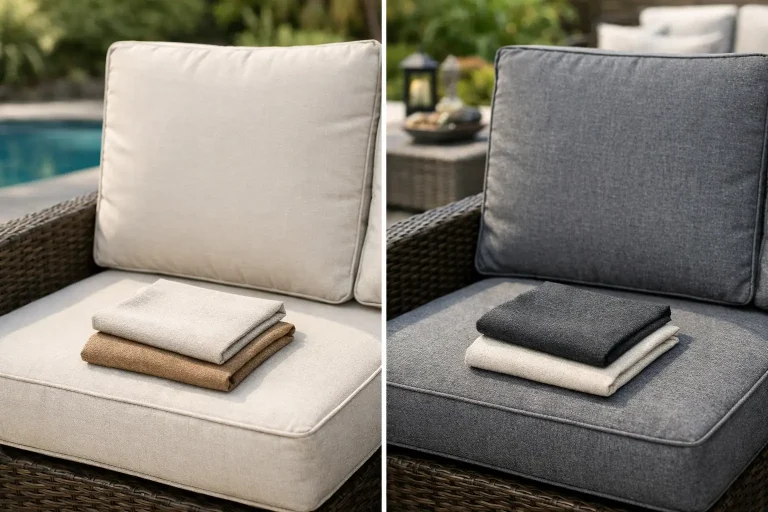
Higher-spec fabrics offer better UV stability, color retention, and longer-term flexibility. They usually perform better where visual consistency matters and where replacement cycles need to be extended. These covers cost more upfront, but they can reduce labor and replacement frequency over multi-site installations.
The main consideration is budget discipline. If the underlying furniture is entry-level or temporary, a premium cover may be more specification than the project needs. If the furniture package is contract-grade and customized, better cover material is usually justified.
Vinyl-heavy covers
These can provide strong water protection, but they are not always the best answer. In hot climates, heavy vinyl can trap heat and moisture if ventilation is weak. It can also become stiff with age and harder for teams to handle efficiently. For static equipment or occasional use, vinyl may perform well. For daily furniture operations, it can create more friction than expected.
Why fit matters more than many buyers expect
A generic cover might look acceptable on a product page, but outdoor furniture is rarely generic in real project conditions. Deep lounge seating, mixed-material dining sets, sculpted arm profiles, and oversized daybeds all create fit challenges. Even a few inches of mismatch can reduce protection.
Custom or semi-custom sizing becomes especially valuable on large developments and hospitality sites. It improves appearance, reduces wind movement, and makes staff routines more predictable. It also helps protect specific design details such as teak arms, rope panels, and exposed cushion edges.
This is where procurement strategy matters. Buying furniture and covers separately from unrelated vendors often creates dimension conflicts and responsibility gaps. When the fit fails, each side can point to the other. A coordinated sourcing approach usually produces better protection and fewer site-level adjustments.
The hardware details that separate good from disposable
A cover is only as reliable as its weak points. In practice, those weak points are usually seams, tie-downs, and contact corners.
Look closely at seam construction. Double-stitched seams with sealed treatment generally hold up better than single-stitched seams on exposed edges. Reinforced corners matter on dining chairs and lounge frames where pressure concentrates. Buckles and drawcords should secure the cover without making removal cumbersome. If fastening takes too long, staff will skip it.
Handles are another overlooked detail. On larger covers, integrated handles speed up removal and repositioning. Air vents also deserve attention, but they need proper placement and protection. A poorly designed vent can become a water entry point rather than a moisture-release feature.
These details sound minor until you multiply them across dozens or hundreds of pieces. Operational efficiency is part of product performance.
Covers by category: what buyers should expect
Lounge seating
Lounge furniture needs the most careful cover planning because the forms are larger and more varied. Sectionals, club chairs, ottomans, and daybeds create irregular footprints that generic covers rarely handle well. Water pooling is the biggest issue here, followed by wind uplift.
Buyers should prioritize shaped fit, reinforced top panels, and secure bottom fastening. If cushions remain outdoors under cover, ventilation becomes even more important.
Dining sets
Dining covers are easier to source in standard sizes, but chair stacking changes everything. A cover designed for a table-and-chair set may not fit once chairs are rearranged or stored differently. Commercial teams should match cover dimensions to the real operational setup, not the styled showroom version.
If tables use stone, ceramic, or slatted tops, choose a cover that sheds water well and does not create abrasive movement across the surface.
Poolside furniture
Pool environments are tough on covers. Chlorine exposure, sunscreen residue, humidity, and intense sunlight accelerate wear. Breathability matters more here than buyers often expect. A fully sealed cover can create a damp microclimate that works against the furniture.
For chaise lounges and cabanas, secure fastening and UV-resistant fabric are non-negotiable. Light-duty covers usually underperform in this category.
Accessories and occasional pieces
Side tables, planters, and small accent items do not always justify dedicated covers unless the material is especially vulnerable or the project requires a fully dressed appearance during off-hours. In some cases, the better decision is to specify more weather-tolerant accessories rather than add another maintenance layer.
When a cheaper cover costs more
Procurement teams know this pattern well: a low unit price looks attractive until replacement, labor, and claims are counted. Covers fail unevenly, which creates a mixed appearance on site. Staff spend more time adjusting poor fit. Furniture needs cleaning or repair earlier. Then the buyer repurchases at a better spec anyway.
That does not mean every project needs the highest-priced option. It means the cover should match the asset value and exposure conditions. For premium villas, resorts, rooftop F&B venues, and large outdoor developments, cover quality is a protection strategy, not an accessory line item.
A vertically integrated supplier with furniture, accessory, and project support capability can add real value here. When sizing, material selection, and finish protection are considered together, the result is cleaner specification control and fewer surprises during installation and operations.
Final verdict: what makes a cover worth approving
The best cover is not the thickest one or the cheapest one. It is the one that fits the furniture correctly, handles the climate it will actually face, and supports the way the site team works every day. In a serious outdoor project, that balance matters more than marketing claims.
If you are reviewing covers for a single residence, you can afford a little trial and error. If you are specifying for hospitality, commercial, or multi-unit residential use, trial and error gets expensive fast. Start with the exposure level, confirm the true furniture dimensions, and treat ventilation and fastening as core requirements. A good cover should protect the investment without slowing down the operation – and that is the standard worth buying to.