How to Order Custom Parasols Right
A parsol that looks perfect in a concept board can fail fast on a windy rooftop, fade beside a pool, or arrive with the wrong base for the surface below it. That is why knowing how to order custom parasols is less about picking a shape and more about controlling specification, performance, and delivery from the start.
For hospitality groups, developers, designers, and procurement teams, the real cost is not the umbrella itself. It is rework, mismatch, delays, and product that does not suit the site. A well-run custom order reduces all four. The best results come when design intent, engineering requirements, and logistics are handled as one process rather than separate decisions.
How to order custom parasols for project use
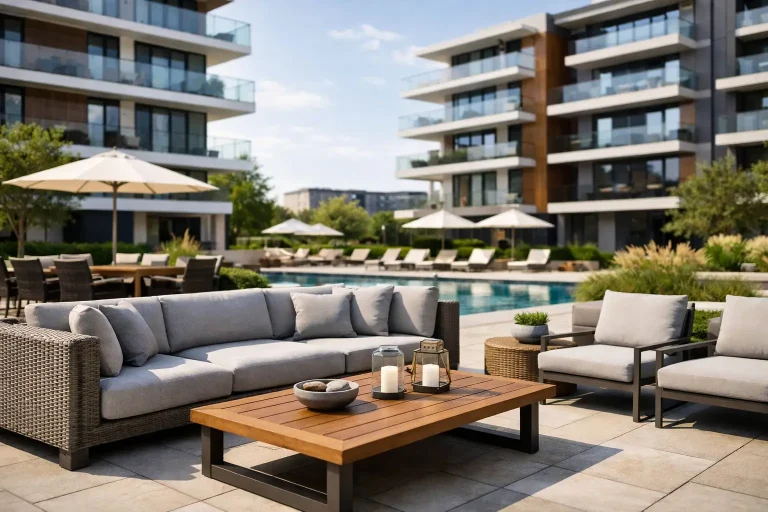
The first step is to define where the parasols will be used and how hard they will work. A restaurant terrace, private villa, hotel pool deck, beach club, and rooftop lounge may all call for shade solutions, but they do not demand the same frame, fabric, base, or opening system. Commercial environments with high daily use need contract-grade thinking from the outset.
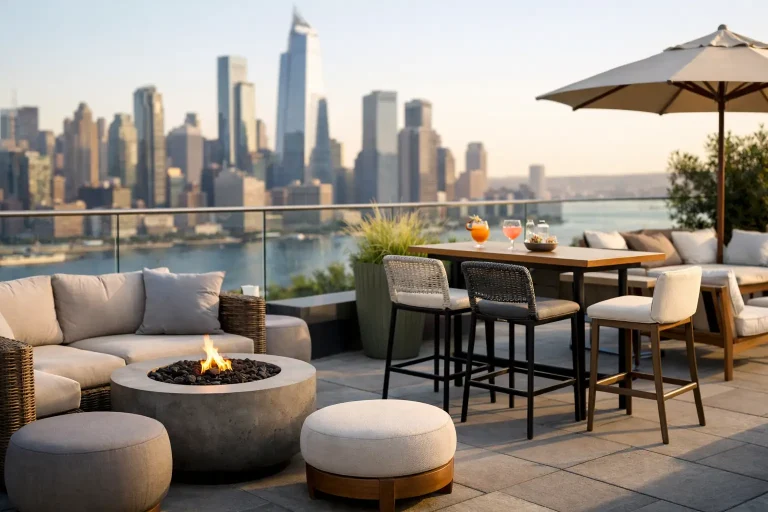
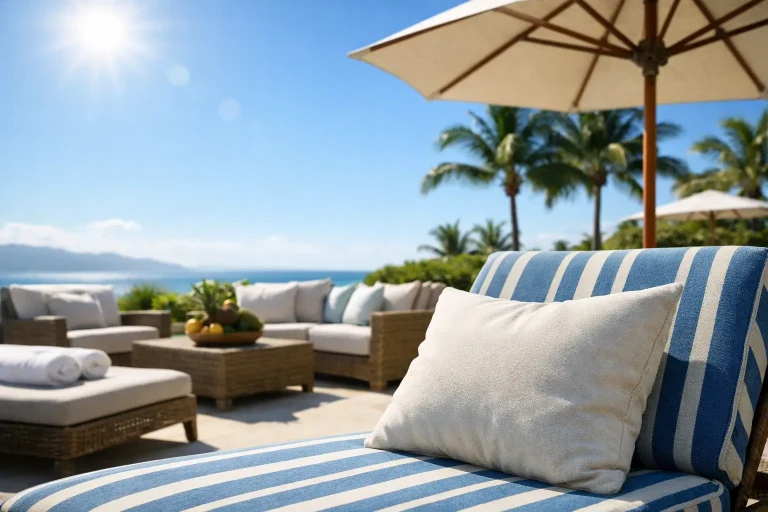
Start with site conditions. Sun exposure, prevailing wind, salt air, humidity, and the surrounding furniture layout all shape the specification. A coastal resort may need stronger corrosion resistance and fade-resistant fabric. A rooftop may require stricter attention to wind load, clearance, and anchoring. A poolside setting may prioritize easy-clean materials and finishes that hold up against water, sunscreen, and frequent handling.
Then define the operating model. If staff will open and close parasols daily, ease of use matters. If the installation is largely fixed, heavier bases or in-ground mounting may make more sense. If the project includes multiple zones, standardizing key components across areas can simplify maintenance and replacement later.
Specify the parasol before you customize it
Many buyers move too quickly to canopy color, trim, or logo placement. Those details matter, but only after the technical specification is right. The core build should be set first.
Size and shape
Round, square, and rectangular canopies each solve different layout needs. Round parasols work well for smaller dining groupings and softer visual language. Square and rectangular formats often give better coverage efficiency in hospitality layouts because they align more cleanly with tables, loungers, and modular seating. The right size depends on useable shade coverage, circulation, and whether multiple units need to sit in a clean grid.
Larger is not always better. Oversized canopies may interfere with adjacent furniture, sightlines, or service paths. In tighter commercial footprints, several properly spaced units can perform better than one very large parasol.
Frame material and finish
Frame selection should match both aesthetic direction and operating conditions. Aluminum is a common choice for commercial projects because it is lightweight, corrosion-resistant, and well suited to frequent use. Wood can deliver a warmer, more residential look, but it may require a different maintenance approach depending on climate and exposure.
Finish matters as much as material. Powder-coated frames typically offer stronger resistance to weathering and wear in high-traffic environments. For branded spaces, finish consistency across furniture and shade products can also help the full outdoor scheme read as one system.
Fabric performance
Fabric is where appearance and durability meet. Buyers should ask about UV resistance, colorfastness, water repellency, mildew resistance, and cleanability. In hospitality settings, a fabric that looks good on day one but fades unevenly after one season creates an avoidable replacement cycle.
This is also where the intended experience matters. A muted neutral may suit luxury villas and resort terraces, while a stronger branded tone may fit a beach club or food and beverage concept. What matters is choosing a fabric that can hold that look under actual site conditions, not just in a sample book.
Base and mounting
Bases are often treated as an afterthought, and that is where ordering mistakes start. Freestanding, wheeled, surface-mounted, and in-ground options all have trade-offs. The base must match canopy size, local conditions, and the floor surface. Stone decking, timber, concrete, and raised rooftop systems each bring different installation realities.
A clean rendering can hide practical issues like drainage, uneven flooring, or the need to move units for events. That is why base choice should be reviewed alongside the site plan, not after production begins.
Custom details that actually add value
Once the technical build is set, customization can improve both brand presence and project fit. This is the stage where parasols move from standard product to specification-led solution.
Branding is one of the most common requests. Logos, edge printing, and custom colors can support a strong commercial identity, especially in hotels, restaurants, resorts, and branded residences. The key is restraint. A large logo may suit a casual beach venue, while a more discreet application may better suit premium hospitality settings.
Trim details can also shift the final look more than many buyers expect. Valances, piping, fringe, vent styling, and frame finish combinations all affect whether the parasol feels contemporary, classic, or resort-driven. For designers and architects, these details should tie back to the overall furniture palette and the architecture around it.
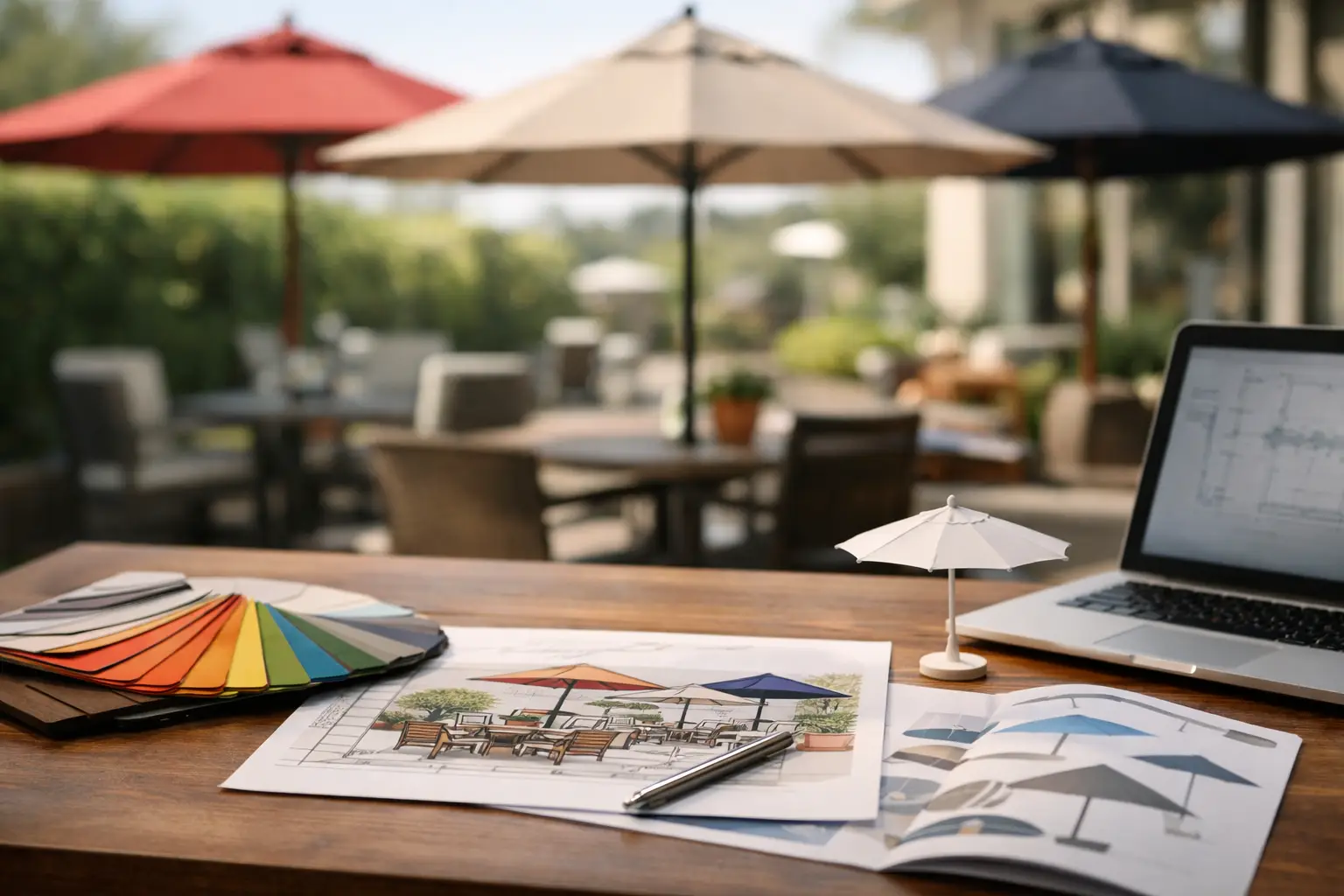
This is also where mock-up approvals earn their value. A digital rendering can align dimensions and color direction, but a physical sample or approved mock-up helps avoid surprises with print scale, stitching, texture, and finish tone. On larger orders, that step can protect both budget and timeline.
What to send when requesting a quote
If you want accurate pricing and realistic lead times, send more than a mood board. Procurement works faster when suppliers receive clear project data early.
A strong RFQ for custom parasols should include quantity, target dimensions, preferred shape, frame material, finish direction, fabric color references, branding requirements, site location, and target delivery date. If available, include layouts, elevations, or furniture plans that show spacing and intended use. For hospitality and multi-unit developments, note whether the order needs phased delivery or split shipments across sites.
This level of detail does two things. First, it reduces back-and-forth during quoting. Second, it gives the supplier a chance to flag issues before production, when changes are still manageable. A vertically integrated partner with in-house design support can often turn that information into 3D drawings, material recommendations, and approval-ready specifications much faster than a fragmented supply chain.
Lead times, MOQs, and the trade-offs buyers should expect
Custom orders always involve a balance between flexibility, quantity, and speed. Buyers who understand that early usually make better decisions.
If you need a highly specific fabric, branded print, or custom frame finish, expect more production coordination than a stocked option would require. Minimum order quantities may also apply to certain materials, print runs, or special finishes. That does not mean customization is inefficient. It means the order should be planned around the project schedule rather than treated like a last-minute accessory purchase.
There is also a trade-off between standardization and individuality. A fully unique parasol for each zone may sound appealing, but standardizing components across a development often improves maintenance, spare part replacement, and long-term visual consistency. For larger projects, the smarter path is usually a controlled customization strategy rather than unlimited variation.
How to order custom parasols without delivery problems
A good specification can still fail if logistics are handled poorly. For commercial and hospitality projects, delivery planning should be part of the ordering decision, not the final email before dispatch.
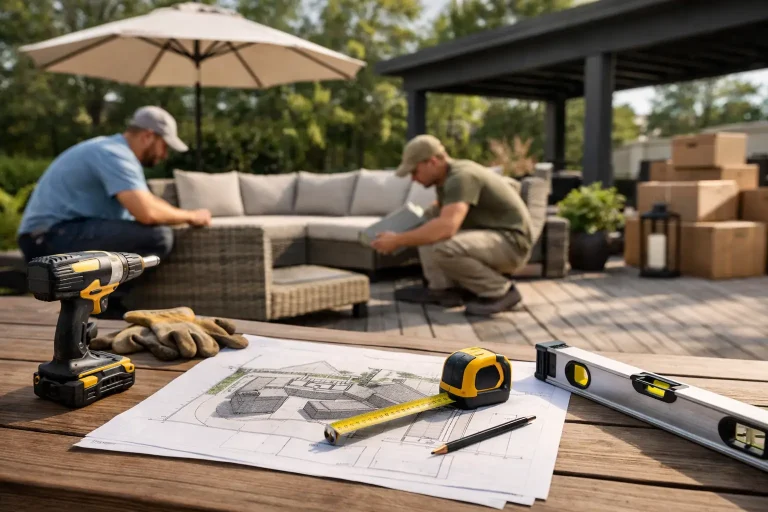
Confirm packaging method, site access constraints, installation expectations, and whether the parasols will ship assembled or partially knocked down. If the project is overseas or multi-site, ask how units will be labeled and allocated by zone. White-glove delivery can be especially valuable where the installation sequence matters or where large-volume outdoor packages need coordinated handling on arrival.
This is also where supplier scale matters. A partner that designs, manufactures, and manages fulfillment under one system can usually control timelines more tightly than one relying on multiple disconnected vendors. For buyers managing terraces, pool decks, villas, or hospitality openings against fixed launch dates, that operational control is not a marketing claim. It is risk reduction.
The best custom parasol orders start with fewer assumptions
Most ordering mistakes happen when buyers assume a parasol is a finishing touch. In project reality, it is a performance product that affects guest comfort, visual identity, daily operations, and replacement cost. The earlier it is treated that way, the better the result.
At PNZ Space Global, custom shade solutions work best when they are specified alongside the wider outdoor scheme, with material review, drawing support, and delivery planning built into the process. That approach gives design teams more control and procurement teams fewer surprises.
If you are ordering for a hotel terrace, rooftop lounge, villa development, or commercial outdoor space, ask harder questions before approving color and logo. The right parasol does more than complete the look. It carries the project more confidently through sun, service, and time.