Outdoor Furniture Design Consultation
A rooftop lounge that looks strong on a mood board can fail fast in the field. Seat heights feel off, circulation tightens around planters, fabrics fade under harsh sun, and lead times slip because approvals started too late. That is where outdoor furniture design consultation stops being a nice extra and becomes a project control tool.
For developers, designers, hospitality groups, and procurement teams, the real value of consultation is not just choosing attractive pieces. It is aligning design intent with manufacturing reality, site conditions, budget limits, and delivery schedules before those variables turn into expensive revisions. In outdoor environments, where exposure, usage intensity, and installation logistics all matter, early coordination saves time and protects results.
What outdoor furniture design consultation should actually deliver
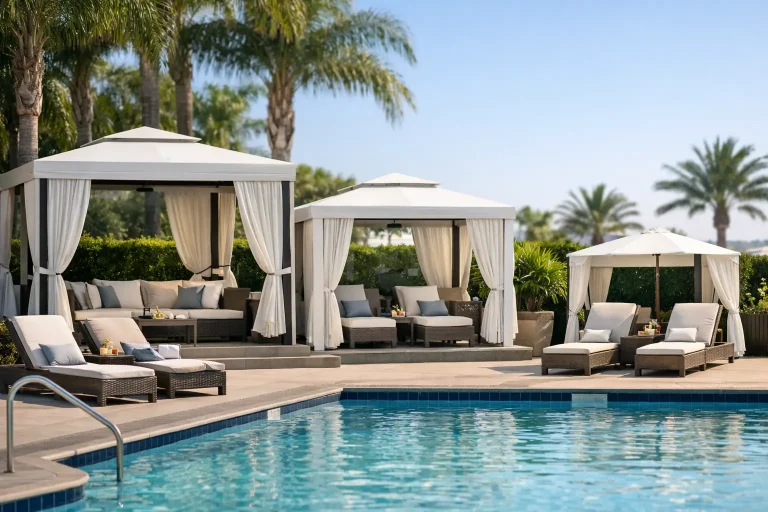
A strong consultation process should do more than present a catalog. It should turn a broad brief into a furnishing plan that is buildable, specifiable, and ready for procurement. That usually starts with understanding the project type. A private villa terrace has different priorities than a hotel pool deck, a restaurant patio, or a multi-building residential development.
The consultation should also identify the working pressures around the project. Some teams need speed above all else. Others need custom sizing, brand-specific finishes, or a tighter price-to-performance balance across large quantities. The best process brings those factors into the conversation early, not after selections are made.
In practical terms, that means reviewing layout logic, intended use, traffic flow, maintenance expectations, and material suitability. It also means clarifying what can be standardized and where customization is worth the added time. For B2B buyers, this is the difference between a decorative presentation and a procurement-ready solution.
Why consultation matters more in outdoor projects
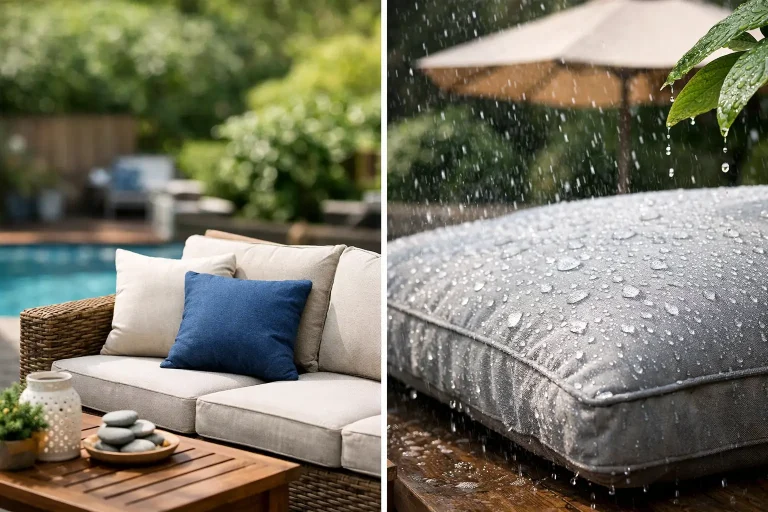
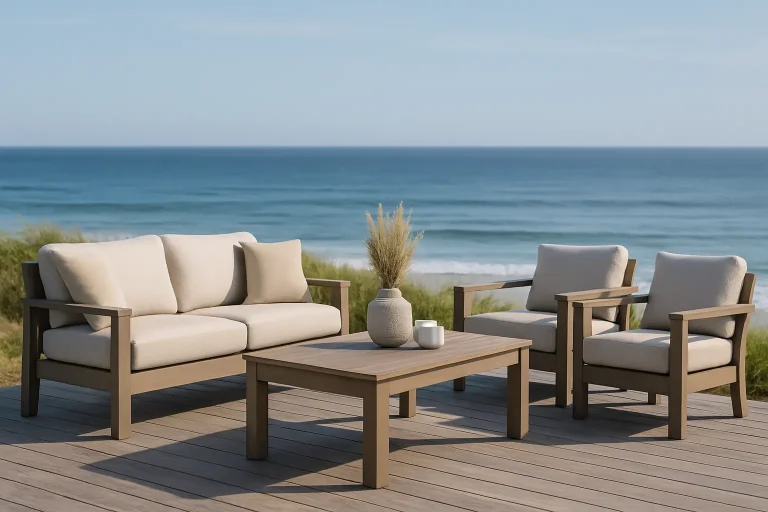
Outdoor spaces are less forgiving than indoor rooms. Sun exposure, humidity, sand, chlorinated water, temperature swings, and heavy commercial use all affect product performance. A chair that works well in a shaded dining area may be the wrong choice for a beachfront setting. A finish that looks clean in a sample may require more upkeep than an operator can realistically manage.
This is where outdoor furniture design consultation adds measurable value. It helps teams compare materials based on real use conditions rather than appearance alone. Powder-coated aluminum, teak, rope, sling, upholstery, ceramic tops, and synthetic weaves each have advantages, but none is universally right. The right specification depends on exposure level, cleaning routines, guest turnover, and how long the client expects the installation to hold its visual standard.
There is also a scale issue. Once a project moves beyond a few pieces into full-zone furnishing, mistakes multiply. Small inconsistencies in dimensions, finishes, or cushion details become highly visible across dozens or hundreds of units. Consultation creates consistency across lounge, dining, poolside, shade, and accessory categories so the final environment reads as one complete scheme.
Outdoor furniture design consultation and specification control
Design teams often start with aesthetic intent, but procurement teams must finish with approved specifications. Those are not the same thing. Consultation bridges that gap by translating visual direction into dimensions, materials, finish codes, quantities, and application-specific recommendations.
That bridge matters because outdoor projects often involve multiple decision makers. The architect may focus on the overall design language. The operator may care about maintenance and stacking efficiency. Procurement may need pricing discipline and shipment clarity. Ownership may want a premium look with long-term durability. Without a structured consultation, those priorities can compete instead of align.
With the right partner, the consultation process can include 3D drawings, layout development, mock-up review, and finish coordination that gives stakeholders something concrete to approve. This reduces ambiguity. It also shortens the back-and-forth that slows ordering and causes late-stage substitutions.
For complex projects, vertical integration changes the quality of this process. When design support, manufacturing, and delivery planning sit closer together, recommendations tend to be more grounded. A team can confirm what is feasible, what requires lead time, and where a custom request may affect budget or scheduling. That operational visibility is valuable, especially when deadlines are fixed.
How a consultation should move from concept to order
The best consultations follow the way projects are actually bought and built. First comes the brief: site type, style direction, user profile, quantity range, and timeline. Then comes category planning. Lounge seating, dining sets, sun loungers, bar settings, umbrellas, daybeds, and accessories should be reviewed as part of a complete environment, not as isolated items.
Next comes selection refinement. This is where dimensions, seat comfort, table heights, arm profiles, fabric performance, and finish combinations are tested against the actual use case. Hospitality spaces usually need a different durability threshold than private residences. High-turnover commercial projects may also require simpler maintenance and stronger replacement continuity.
After that, approvals matter. Swatches, finish samples, 3D visuals, and mock-ups reduce uncertainty. They also protect procurement teams from ordering against assumptions. Once approvals are set, the conversation should shift toward manufacturing timelines, packing strategy, shipping coordination, and installation planning. A consultation that stops at product choice is incomplete. It needs to support execution.
What sophisticated buyers should ask during consultation
Not every consultation is equal. Serious buyers should test whether the supplier can support the full project, not just the first presentation. Ask how recommendations change for uncovered versus shaded areas. Ask which products are best for salt air, pool water exposure, or high-traffic hospitality use. Ask whether finishes can be matched across categories and whether customizations affect minimums or lead times.
It is also worth asking how the supplier handles scale. Can the same design language be carried across a resort, multiple villas, or a mixed-use development without compromising consistency? Can mock-up approvals happen before bulk production? Is there enough SKU breadth to furnish multiple zones from one source while keeping the procurement process manageable?
These questions are less about sales language and more about project risk. Buyers at scale need confidence that the supplier can move from consultation to factory planning to final delivery without losing control of the details.
The operational advantage behind good design advice
Strong design consultation is only as useful as the system behind it. A supplier may present attractive concepts, but if production is fragmented or delivery visibility is weak, the client still carries the risk. For outdoor projects with tight launch dates, that gap becomes costly.
This is why many commercial buyers prefer a one-stop supplier with in-house design support and manufacturing control. When the same organization can guide selections, prepare drawings, manage mock-ups, produce at volume, and coordinate white-glove delivery, fewer handoffs mean fewer mistakes. Communication gets clearer. Timelines get easier to track. Change management becomes more realistic.
PNZ Space Global is built around that model, combining design consultation with a 20,000-square-meter manufacturing base, broad category coverage, and project-ready fulfillment support. For buyers furnishing villas, hotels, rooftop lounges, restaurants, and pool decks, that structure supports both creativity and delivery discipline.
Where consultation saves the most money
The biggest cost savings usually do not come from choosing the cheapest chair. They come from avoiding avoidable errors. Incorrect dimensions create layout problems. Overly delicate materials increase maintenance costs. Uncoordinated lead times delay opening dates. Last-minute substitutions disrupt the visual program and often cost more than expected.
Consultation helps prevent these issues early. It can reveal that a custom detail is worth the investment because it strengthens the entire project, or that a standard option is the smarter choice because it preserves schedule and budget. It can also identify where a project should spend more, such as high-visibility lounge zones, and where specification can be simplified without hurting the guest experience.
That is the real commercial value. Good consultation is not about adding complexity. It is about reducing friction across design, approval, procurement, and delivery.
A better starting point for outdoor projects
When outdoor furniture is treated as an end-stage purchase, teams often inherit avoidable problems. When it is handled through a structured consultation, furniture becomes part of the project strategy from the start. That changes the outcome. Selections are sharper, approvals move faster, and execution has fewer surprises.
For any team specifying outdoor environments at scale, the smart first move is simple: bring design, materials, quantities, and logistics into the same conversation before the order is placed. That is where strong projects usually begin.